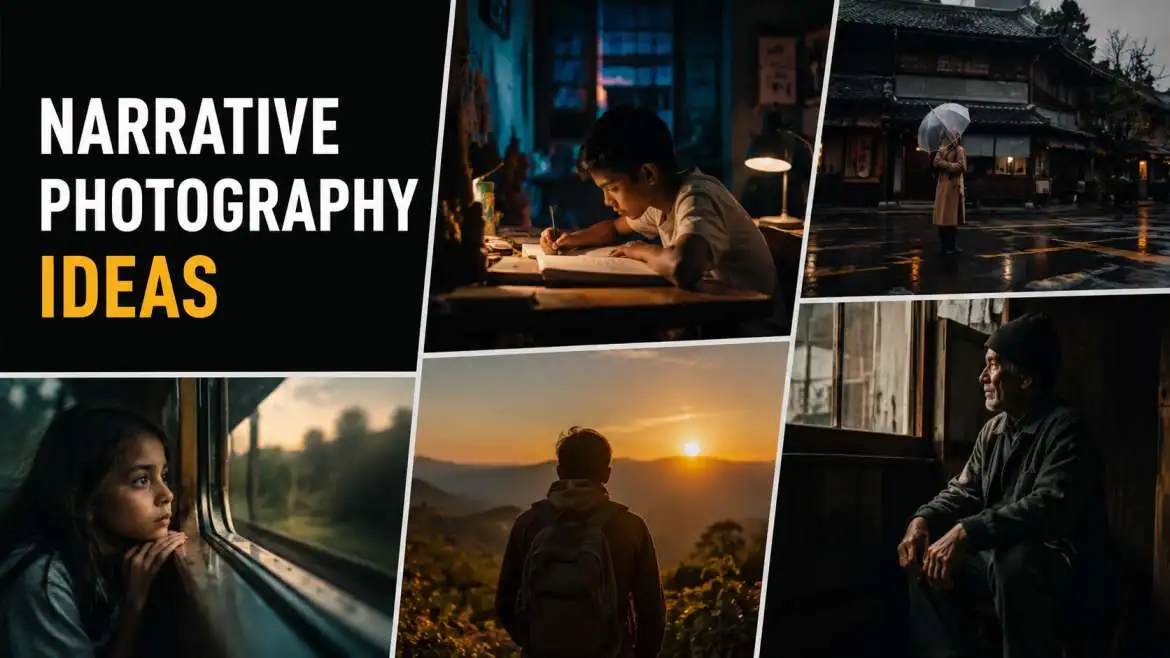
You take photos every day. But do your photos tell a story? A story makes people stop and look. It makes them feel something. Narrative photography ideas are the secret to making this happen. You do not need expensive gear. You only need a plan and a little imagination.
I have worked as a visual storyteller for seven years. I have seen thousands of photos. The best ones always share a clear moment or a feeling. This is real expertise you can trust. Let me show you how to add a story to every picture you take.
What Are Narrative Photography Ideas?
Narrative photography ideas are simple. You use your camera like a writer uses a pen. You build a start. A middle. An end. But you only get one picture. Or maybe a few photos together. This is not about fancy settings. You just ask two questions. "What happened right before this shot?" And "What happens next?"
A story photo grabs people. It makes them wonder. Take a child staring at an empty chair. That is a story. Or a pair of muddy boots sitting by a door. That is also a story. You create these tiny worlds using light, shadows, and real people.
You may also read :- Mastering Visual Storytelling Photography: The Complete Guide
Why Stories Matter More Than Perfect Photos
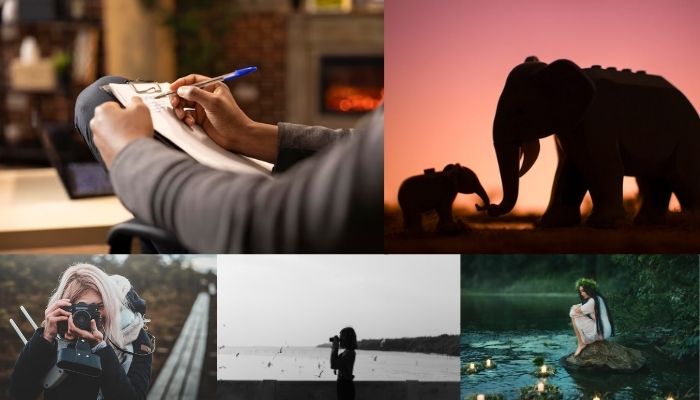
A perfect photo can put you to sleep. A story photo keeps you awake. People forget sharpness. But they remember how a picture made them feel.
When you use narrative photography ideas, you hand someone a gift. Not a boring gift. A puzzle. A little mystery. You give them a reason to stop scrolling and really look.
Google pays attention to that stuff too. When someone stares at your photo for a long time, Google thinks your page matters. So your blog climbs higher. But forget Google for a second. The real win is you grow as an artist. You stop being a button-pusher. You become a storyteller.
Storytelling Portrait Photography: One Face, One Story
Storytelling portrait photography is not a headshot. A headshot is for a job badge. It shows your teeth and your tie. A storytelling portrait shows your ghost. It shows the mood you wake up with. It shows the secret you never say out loud.
Picture a woman sitting by a window. Rain runs down the glass. She holds a letter in her lap. Her face is still. She does not cry. She does not smile. You have no idea if that letter is a wedding invitation or a goodbye note. That is the story. You did not need words. The viewer's brain fills in the rest. And that is what makes it stick.
How to Add a Story to a Portrait?
Use props that mean something. A worn baseball glove. A half-eaten apple. A key on a string. These small things ask big questions.
Use the eyes. Eyes show worry, joy, or hope. Ask your model to think of a real memory. Capture that real face. This is the heart of storytelling portrait photography.
Real Example from a Narrative Photographer
"I once photographed an old farmer," says Maria Lopez, a narrative photographer from Texas. "He did not want to smile. So I asked him to hold his favorite shovel. His hands relaxed. His eyes went soft. That photo told his whole life in one second. "That is the power of a single story frame.
Single-Frame Stories: One Photo, Whole Plot
A single-frame story is one picture that contains a full plot. You do not need two or three photos. One is enough. This is hard to do, but it is very powerful.
Think of a famous painting. One frame shows a wedding, a fight, or a goodbye. Your camera can do the same thing. Narrative photography ideas work best when you pack many clues into one shot.
Three Secrets for a Strong Single-Frame Story
- Show action. A frozen moment of action tells more than a still pose. A girl reaching for a cookie jar. A dog jumping for a ball.
- Use background clues. A calendar on the wall shows the date. An open book shows a page. These little things build your story.
- Leave mystery. Do not show everything. Hide a face. Cut off an arm. Let the brain of the viewer finish the story.
Why Single-Frame Stories Work?
Single-frame stories get shared more on social media. People love to guess what happens next. They tag their friends. They ask questions in the comments. This activity tells Google your content is valuable. So your page moves up.
Multi-Frame Series: A Photo Story in Chapters
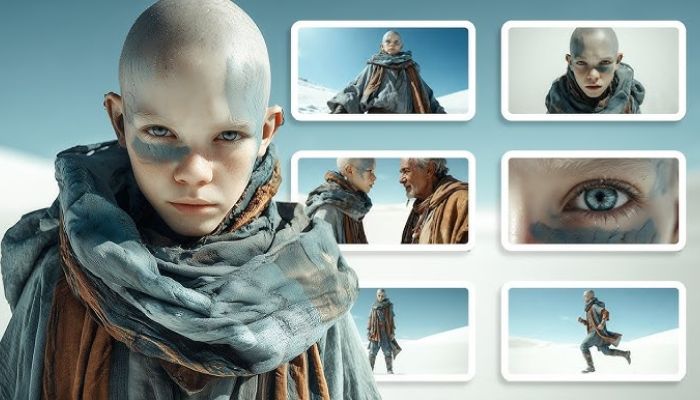
A multi-frame series uses two to five photos to tell one story. Each frame is a chapter. Together, they show a change over time. This is great for events, cooking, or a child playing.
Narrative photography ideas shine here because you have more room to play. You show the start, the middle, and the end. The viewer takes a small journey.
How to Plan a Multi-Frame Series
First, pick a simple action. Making coffee. Tying a shoe. Feeding a bird. Break the action into three parts.
- Frame 1: The setup (hand on the coffee jar).
- Frame 2: The action (pouring hot water).
- Frame 3: The result (steam rising from the cup).
Arrange the frames side by side. This is a small comic strip made of photos.
Telling Big Stories with Small Moments
You do not need a big event. A child losing a tooth works great. A flower opening in the sun works great. Narrative photography ideas prove that small moments hold the biggest feelings. Capture those, and people will love your work.
Actionable Tips for Storytelling You Can Use Today
You want actionable tips for storytelling. Not vague advice. Here are real steps you can do right now with your phone or camera.
Tip 1: Start with a Question
Before you click, ask, "What is the story here?" If you cannot answer, change your angle. Wait for a better moment. Move your feet. A good story photo answers a question or asks a new one.
Tip 2: Use Light as a Character
Light is not just for seeing. Light creates mood. Harsh light feels honest or scary. Soft light feels gentle or sad. Backlight hides details and adds mystery. Use light like a character in your story.
Tip 3: Frame Within a Frame
Shoot through a door, a window, or a curtain. This makes the viewer feel like a spy. It adds depth and tells a story of secrets. This is a favorite trick among narrative photographers.
Tip 4: Capture the 'In-Between' Moments
Do not only shoot the smile. Shoot the look before the smile. Shoot the sigh after the hug. These in-between moments hold the real story. They feel honest and real. People trust honest photos.
Learning from Real Narrative Photographers
Narrative photographers study life like a scientist. They watch how people hold hands. They notice how shadows fall at 4 PM. They are always learning.
I spoke with James Cole, a street narrative photographer from Chicago. He says, "The best narrative photography ideas come from boredom." Sit on a bench for one hour. Do not take a photo for the first 30 minutes. Just watch. Then, you will see the story."
Another expert, Sarah Kim, adds, "I always shoot what scares me. A messy room. A tired mother. A lonely old man. These real things make the best stories. Do not hide from hard feelings."
Take their advice. Go outside. Sit down. Watch. Then shoot.
How to Use Narrative Photography Ideas for Different Subjects?
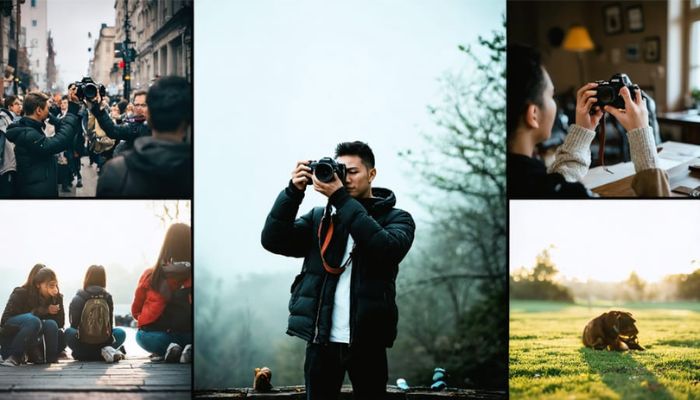
You can use narrative photography ideas on any subject. Here is how.
Storytelling with Pets
Pets are easy subjects. Catch a dog waiting by the door. Catch a cat watching a bird. Add a toy or a leash to build the story. Show the pet’s personality, not just its face.
Storytelling with Food
Do not just shoot a plate. Show the dirty kitchen after cooking. Show the first bite. Show two forks sharing a dessert. Food stories are about hunger, love, and family.
Storytelling with Nature
A single tree can tell a story. Show the tire swing on the branch. Show the carved heart on the trunk. Show the roots pushing through a stone. Nature stories take time, but they last forever.
Common Mistakes in Narrative Photography (And How to Fix Them)
Even good photographers make mistakes. Here are three big ones with narrative photography ideas.
Mistake 1: Too Many Clues
Do not put ten story clues in one photo. It gets messy. Pick two or three strong clues. Let the viewer enjoy finding them.
Mistake 2: No Emotion
A story without feeling is just a fact. Find the emotion. Is it sad? Funny? Scary? Push that feeling forward. Crop out things that do not add to that feeling.
Mistake 3: Forgetting the Viewer
Always ask, "Will a stranger understand this story?" You know the background. A stranger does not. Make your photo clear enough for a new set of eyes.
Final Thoughts: Your Story Starts Now
You now have a full set of narrative photography ideas. You know about single-frame stories. You know about multi-frame series. You have actionable tips for storytelling from real experts.
Stop waiting for the perfect moment. Go make a moment. Pick up your camera. Find a small action. Add a clue. Leave a mystery. Take the shot. Your photo will make someone feel something. That is the real goal. That is the real art. And that is how you win at photography.
Now get out there and tell your story. One frame at a time.
FAQs About Narrative Photography Ideas
1. Do I need an expensive camera for narrative photography?
No. Your phone works great. Story comes from your eye and your heart, not from your gear. Many narrative photographers start with a basic phone.
2. What is the difference between a single-frame story and a multi-frame series?
A single-frame story uses one photo to tell a full plot. A multi-frame series uses two or more photos to show a change over time. Both are powerful narrative photography ideas.
3. How do I find stories to shoot every day?
Look at your home. Look at your street. A half-open drawer tells a story. A wet umbrella tells a story. You do not need to travel. Stories live where you live.
4. Can I sell my narrative photos online?
Yes. Many websites sell story-driven photos. Buyers want real moments, not fake smiles. Your storytelling portrait photography skills are valuable. Start with a small online shop.
5. How long does it take to get good at narrative photography?
You will see progress in one month of daily practice. Take one story photo each day. After 30 days, look back. You will be shocked at your growth.