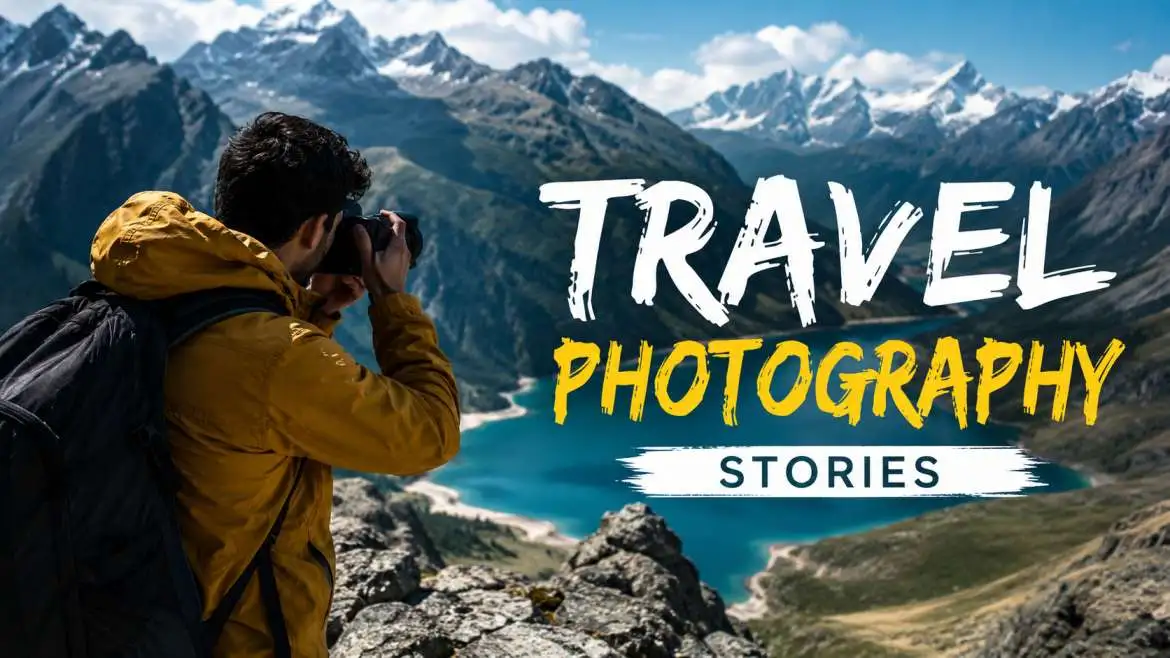
Travel photography stories are more than just a collection of beautiful pictures. They are a way to share your journey, feelings, and unique view of the world. This guide will help you go beyond simple snapshots to create a visual travel storytelling experience that truly connects with people. You will learn practical tips on building a documentary travel photography series, using golden hour lighting, and creating a strong travel photo narrative. Let us turn your travels into powerful tales.
What Makes a Great Travel Photography Story?
A great travel photography story makes people feel something. It is not just about showing a famous landmark. It is about sharing the feeling of being there. This means capturing the small, real moments that happen around the main sights. It is about the visual travel storytelling that makes a viewer stop, look, and imagine themselves in that place . Successful travel photography stories combine good technique with a real emotional connection to the subject.
You may also read :- Narrative Photography Ideas: How to Photograph a Story?
How to Start Your Travel Photography Stories?
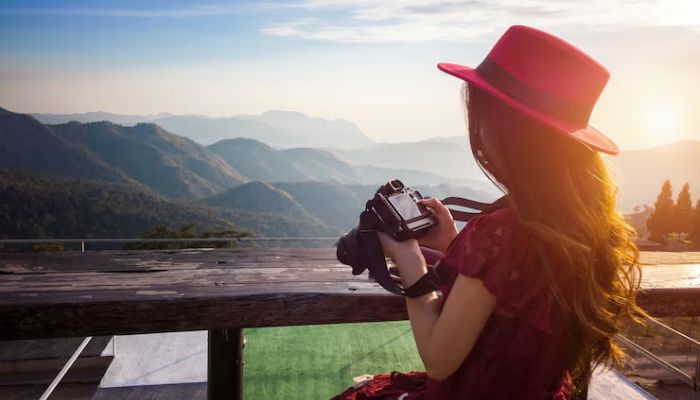
Starting might feel like the hardest part. But it is easier when you change how you think about your camera. A camera is not just a tool for taking pictures. It is a tool for experiencing a place more deeply. One writer described how using a proper camera made her feel more present in India. It turned her from a passive observer into an active participant in the culture . That is the first secret to amazing travel photography stories: the camera helps you see more, not just take more photos.
Begin with Observation, Not Your Camera
Before you even lift your camera to your eye, stop. Look around. Listen to the sounds. Feel the energy of the place. How do people move and talk? What makes this spot special? One expert says, "The more you observe, the more you'll train your instinct to see the extraordinary in the ordinary" . This practice builds a strong foundation for your travel photo narrative.
Create a Documentary Travel Photography Series
Think of your trip as a story with a beginning, a middle, and an end. A documentary travel photography series is like a book of your journey. Do not just take random photos. Plan a few key shots that will tell a bigger story .
- The Beginning: Show your arrival or first impressions.
- The Middle: Capture experiences, local food, daily life, and interesting people.
- The End: Find a quiet moment, a beautiful sunset, or a final farewell image.
This structure makes your travel photography stories more complete and satisfying to look back on.
Practical Travel Photography Tips
Getting the shot is about more than luck. It involves travel photography tips that prepare you for the moment. These are the basic skills that turn a simple picture into a compelling story.
Research and Plan Your Story
Good travel photography stories often start before you leave home. Do your homework. If you are going on a special trip, research the best time of year to visit. Look at other photos online to get ideas, but promise yourself to find a new angle. Use apps like Google Earth to scout your locations ahead of time . This planning helps you make the most of your limited time.
Pack Light and Smart
You do not need to carry every piece of gear you own. Packing light is one of the best travel photography tips you can follow. A heavy bag will make you tired. It will also make you less likely to explore those interesting side streets. The less weight on your back, the more energy you will have for finding great shots . Bring one good camera, maybe two lenses, and extra batteries. That is often all you need.
Master Golden Hour Lighting
Light is the soul of photography. The famous golden hour lighting happens one hour after sunrise and one hour before sunset . The light is soft, warm, and casts beautiful long shadows. It can add a feeling of peace and happiness to your photos.
- For landscapes: Golden hour lighting gives hills and city skylines a beautiful glow and depth.
- For people: You can use backlight to create a warm rim of light around their hair. It is a bit tricky, but the results are stunning .
Capture the Feel, Not Just the Place
Ask yourself: "How does this place feel?" Was it busy and exciting? Or quiet and peaceful? Your travel photography stories should show that feeling. Look for details that show the mood. These can be things like a steaming cup of coffee, old shoes on a dusty road, or a child laughing . These small moments are often more powerful than a picture of a famous landmark.
Include People in Your Narrative
People make your story feel alive. A landscape is beautiful, but a person in that landscape makes it personal. Always ask for permission before you take a close-up photo of someone. Sometimes, a simple smile is all you need to start a conversation . Including a friend, a local vendor, or even a stranger walking through your frame can add scale and emotion to your travel photography stories .
Creating a Powerful Travel Photo Narrative
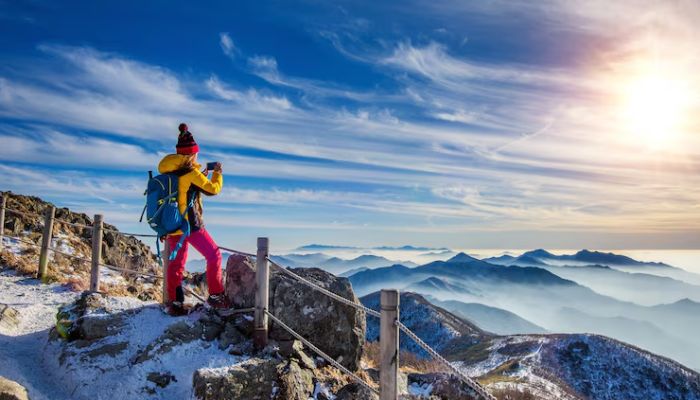
A travel photo narrative is the thread that connects all your images. It is what turns a group of photos into a single, powerful story. A strong narrative keeps your audience interested from the first image to the last.
Find the Emotional Heartbeat
The most powerful travel photography stories are remembered not just for how they look, but for how they make you feel. Look for authentic moments. A genuine smile, a quiet moment of reflection, or a connection between people are powerful. "The most memorable photos aren't just beautiful; they evoke feelings" . This emotional connection is a key part of great visual travel storytelling.
Seek the Unexpected
Do not just take the same photo that everyone else has taken. Wander off the main path. Explore the side alleys and hidden corners. "Wander through alleys, climb rooftops, or use reflections in puddles" . The real spirit of a place is often found away from the tourist crowds. This is where you will find the unique images that set your travel photography stories apart.
Edit with Purpose
Editing is like adding the final seasoning to a meal. It should make the picture better but still look natural. You can use editing tools to adjust light, contrast, and color . The goal is to bring out the mood you felt when you took the photo. Keep your edits true to the story you are telling. A misty morning should look soft and cool. A vibrant market should look bright and energetic.
Choose Your Photos with Intention
Do not post or share every photo you take. Pick the best ones that work well together. You want a group of images that:
- Show different parts of the experience.
- Flow well together.
- Have a similar mood or feeling.
As a tip, think of it like a short story. Show the beginning, the middle, and the end. A few thoughtful photos will always tell a better story than twenty random ones .
Expert Voices on Travel Photography Stories
Learning from experts can give you great ideas. One photographer, Shreepad Gaonkar, believes in keeping things natural. He works with tourism boards and says he often suggests they "film in the natural environment with more focus on candid moments" . This focus on authenticity makes the images feel real and honest. Another professional, Lisette Ortiz, reminds us that "you don’t need a fancy camera or professional skills to tell a powerful story" . It is about the feeling and the moment, not just the equipment.
Ethical and Responsible Travel Photography
Travel photography stories are about sharing the world. It is important to do this with respect. Ethical travel photography is a duty, not just an option.
- Respect Privacy: Always ask for permission before photographing someone. Avoid taking photos of children or vulnerable people without consent .
- Understand Local Customs: Different countries have different rules and sensitivities. Do your research before you go.
- Be Mindful of Your Environment: Consider where you are. For example, one photographer only flew his drone for 10 minutes at the Dead Sea to be respectful of the sensitive border area .
Writing the Context for Your Visual Story
A picture is worth a thousand words, but the right words can make your visual travel storytelling more powerful. When you share your photos, add a short caption that gives context. Share what you were feeling. Tell a quick memory from that moment. Explain why this place was special to you. "Authentic words connect more than perfect ones" .
Overcoming Challenges in the Field
Travel photography is not always easy. You will face challenges like bad weather, harsh light, or crowds. Learn to use these problems to your advantage. Rain can create interesting reflections. A cloudy day gives you soft, even light. A busy street can add energy to your photos.
Key Takeaways for Your Travel Photo Narrative
To summarize, the path to amazing travel photography stories involves:
- Observe: Look and feel the place before you take a photo.
- Plan: Research your destination and plan a rough story structure.
- Feel: Capture the mood, not just the landmarks.
- Light: Learn to use golden hour lighting for beautiful photos.
- People: Include people ethically to add life and scale.
- Tell: Create a travel photo narrative with a beginning, middle, and end.
FAQ
Q: Why do most travel photos look boring?
A: Because they’re taken in a hurry. We slow you down and teach you to notice the details that actually matter.
Q: What makes a travel photo "great"?
A: A real moment—not a postcard. We help you find those moments in everyday street scenes, markets, and chance encounters.
Q: Is this a technical photography course?
A: No. It’s a storytelling course that happens to use a camera. We cover light and composition, but the focus is always on feeling and narrative.
Q: Can I do this on a weekend trip?
A: Absolutely. The whole approach is built for real travel—short stays, limited time, maximum impact.
Q: What’s the final outcome?
A: A small, powerful set of images that you’d actually want to print, share, or look back on years later.