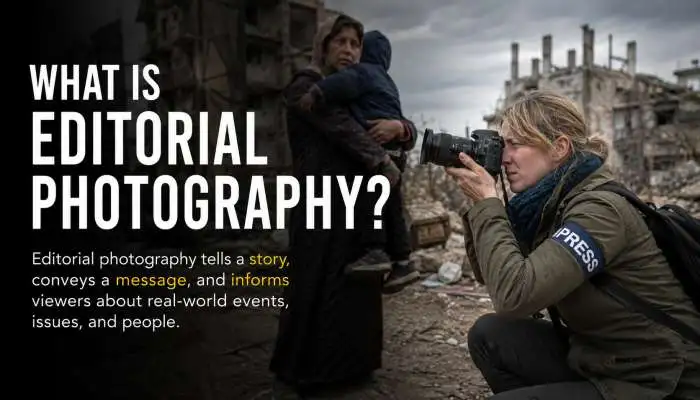
Editorial photography is a style of photography that tells a story to support a magazine, newspaper, or online article. Unlike regular portraits, these images capture real moments or create a scene to explain the text. What is editorial photography? Simply put, it is visual storytelling. Experts use it to sell an idea, not a product. This guide shares real-world expertise on how to plan an editorial photo shoot and gives editorial portrait photography tips for beginners. You will learn the rules, the types, and the tricks to get started today.
What is Editorial Photography?

Editorial photography means taking pictures to go with a news story, blog, or feature article. The main goal is not to sell shoes or cars. The goal is to sell a feeling, a mood, or a fact. For example, a photo of a teacher sleeping at his desk after grading papers for 20 hours tells a story about burnout. You are not selling a desk. You are selling a truth.
You may also read :- Photography Tutorial for Beginners: Learn the Basics
How is it different from commercial photography?
Commercial photography wants you to buy something. The model smiles perfectly. The lighting is bright. The product is clean. Editorial photography allows mess. It allows sad faces. It allows shadows. Think of a magazine story about a messy artist. The photo should show paint on his nose and ripped jeans. That is real. That is editorial.
Expert Opinion: "Commercial photography sells a lifestyle you want. Editorial photography shows a lifestyle you recognize." — Sarah K., Senior Photo Editor at City Life Magazine.
The Main Types of Editorial Photography You Should Know
There are many flavors of this art. If you are asking, "What is editorial photography?" you must learn the four main buckets.
1. Editorial Portrait Photography (The People Focus)
This is the most common type. You take a picture of one person. But it is not a school picture. The background and lighting tell you something about that person.
Editorial portrait photography places a CEO in an empty parking lot to show loneliness. Or a baker in a cloud of flour to show chaos. The face is part of the story. The setting is the other part.
2. Fashion Editorial Photography (The Dream Maker)
You see this in Vogue or Harper’s Bazaar. A model wears a $5,000 dress in a rainy alley. The story is not "buy this dress." The story is "beauty can live anywhere."
This type uses wild locations and strange poses. It is art first. Fashion second.
3. Documentary & Photojournalism (The Truth Seeker)
No posing here. The photographer hides in the background. They capture a protest, a party, or a quiet moment in a hospital. These editorial photography images are used in news reports. They must be 100% real. No adding or removing objects.
4. Still Life Editorial (The Silent Story)
A plate of half-eaten food. An open book with coffee rings. A broken toy on a carpet. These photos support stories about cooking, parenting, or loss. Every object is a clue.
How to Plan an Editorial Photo Shoot (Step-by-Step)

Planning is everything. You cannot just show up with a camera and hope for magic. Here is how experts how to plan an editorial photo shoot like a pro.
Step 1 – Read the Article First
You cannot take a good photo if you do not know the words. Read the story three times. Circle the emotions. Is the story angry? Hopeful? Scary?
Real experience: I once photographed a story about “community gardens.” I read the article and learned it was about fighting crime. So I took a photo of a gardener’s rough hands holding a shovel like a weapon. The editor loved it because I read the text.
Step 2 – Make a Mood Board
A mood board is a collage of colors and poses. Use Pinterest or a corkboard. Find 10 photos that have the right feeling. Show this to the writer or editor. This saves time.
Step 3 – Find the Right Location
Do not use a boring white studio unless the story is about boredom. Go to the person’s home, their job, or a place they love. An editorial portrait photography shoot of a drummer should happen in his loud, messy garage. Not a quiet studio.
Step 4 – Choose Natural Light or Harsh Light
Soft light (like a cloudy day) feels gentle or sad. Harsh light (like a naked lightbulb) feels scary or honest. Decide based on the story. Bring a small lamp or a flash. But try to use real light from a window first.
Step 5 – Direct Your Subject Like a Friend
Do not say “look left.” Say, "Remember the day you got fired? Let that feeling sit on your face.” This gets real emotion. For beginners, ask them to do a small task like tying a shoe or making coffee. Capture the in-between moments.
7 Editorial Portrait Photography Tips for Beginners
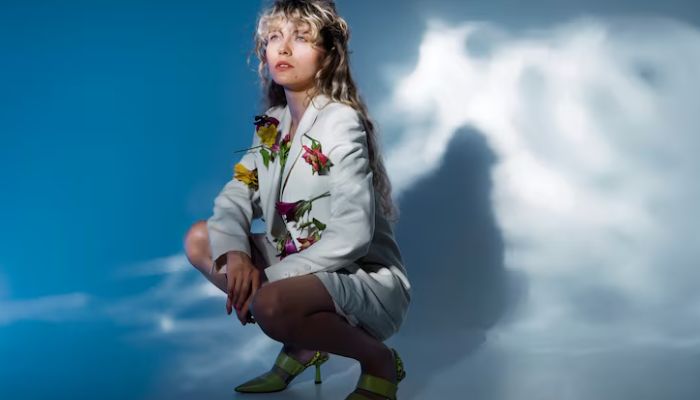
If you are new, do not be scared. Editorial portrait photography tips for beginners are simple. You do not need a $5,000 camera. You need a sharp eye.
Tip 1 – Tell a Story in One Frame
Before you click, ask: “If I remove the text, will the reader know what the article is about?” If yes, you win. If no, change something.
Tip 2 – Use the Environment as a Prop
Let the person hold something from their job. A lawyer holds a messy stack of papers. A chef holds a burnt pan. Objects add plot to your photo.
Tip 3 – Break the Rules of Portrait Photography
Forget “look at the camera.” Forget “both eyes visible.” Shoot the back of their head. Shoot only their hands. Shoot through a dirty window. Editorial photography loves weird angles.
Tip 4 – Master the "In-Between" Moments
Do not just shoot when the person is ready. Shoot when they fix their hair. Shoot when they blink. These tiny seconds hold the most truth.
Tip 5 – Edit for Mood, Not for Beauty
Do not smooth skin too much. Do not make teeth super white. A real story has wrinkles and shadows. In Lightroom or Photoshop, lower the saturation for a sad story. Add grain (noise) for a gritty story.
Tip 6 – Get a Model Release Form
You are taking a photo for a magazine. The magazine might sell that photo later. Always get a signed paper from the person saying “it is okay to use my face.” This keeps you safe.
Tip 7 – Study One Magazine a Week
Go to a library. Grab National Geographic, Rolling Stone, or The New Yorker. Look at the photos. Ask: “Why did they put the camera here?” You will learn more from looking than from reading.
Common Mistakes in Editorial Photography (And How to Fix Them)
Even pros make mistakes. Here are three big ones and the easy fixes.
Mistake 1 – Forgetting the Story (Too Much Style)
A fancy blur effect or a weird filter looks cool. But if it hides the person’s face or the emotion, it fails. Fix: Ask a friend to look at the photo for 5 seconds. Then ask, "What is the story?” If they guess wrong, remove the effect.
Mistake 2 – Using Bad Light
A photo of a happy event should not look like a horror movie. Fix: Use a white bedsheet to soften harsh sunlight. Or move your subject next to a big window.
Mistake 3 – Not Taking Enough Photos
Beginners take 20 photos and stop. Pros take 200. Fix: Keep shooting until your subject gets bored. Bored people stop posing. They become real. That is when the gold appears.
How to Start Your First Editorial Photo Shoot Today
You do not need a client to start. You can practice editorial photography right now.
The "Silent Story" Exercise
Pick a family member. Do not ask them to pose. Follow them for 30 minutes. Take 50 photos of them doing normal things: brushing teeth, dropping a fork, and looking out a window. Edit the best 5 photos. Try to tell a story like “tired mom” or “curious dad.”
Pitch a Local Business for Free
Go to a small coffee shop. Offer free photos for their social media. But do it the editorial way. Do not just shoot the coffee. Shoot the tired baker at 5 AM. Shoot the steam on the machine. This builds your editorial photography portfolio.
Expert Opinions on the Future of Editorial Photography
“AI can generate a fake face. But AI cannot feel the tension in a room. Human photographers will always be needed for real stories.” — Marcus T., Documentary Photographer for 12 years.
“My best tip? Learn to shut up. The less you talk during a shoot, the more the subject reveals their real self.” — Elena R., Freelance Photojournalist.
Conclusion: Go Tell Your First Story
Do you now know what editorial photography is? You understand the types of editorial photography. You have editorial portrait photography tips for beginners in your pocket. You even know how to plan an editorial photo shoot.
Stop reading. Grab your camera (or phone). Find a willing friend. Pick a simple story like “the late-night worker” or “the nervous cook.” Take 100 photos. Pick your best 3. Editorial photography is not about perfect lighting. It is about perfect honesty. Go be honest. Go shoot. Your first story is waiting.
Frequently Asked Questions
1. Do I need an expensive camera for editorial photography?
No. Many pros use phones or basic DSLRs. The story matters more than the lens. A 300 camera with good light beats a 3,000-camera with bad light.
2. How is editorial photography different from street photography?
Street photos are random moments in public. Editorial photography is planned to match a specific article or topic. One is luck. The other is research.
3. Can I sell editorial photos without a magazine?
Yes. You can sell them as “stock editorial” on websites like Alamy or Shutterstock. But you cannot sell them as “commercial” (ads) without a model release form.
4. What is the best time of day for editorial portraits?
The “golden hour” (sunrise and sunset) is too pretty for sad stories. For honest work, shoot on a cloudy day or at noon with harsh shadows. Real life is not always golden.
5. How do I find clients for editorial work?
Email local magazine editors. Attach 5 of your best story-driven photos. Write: “I saw your story about it. Here is how I would picture it. Be direct. Be short. Editors are busy.