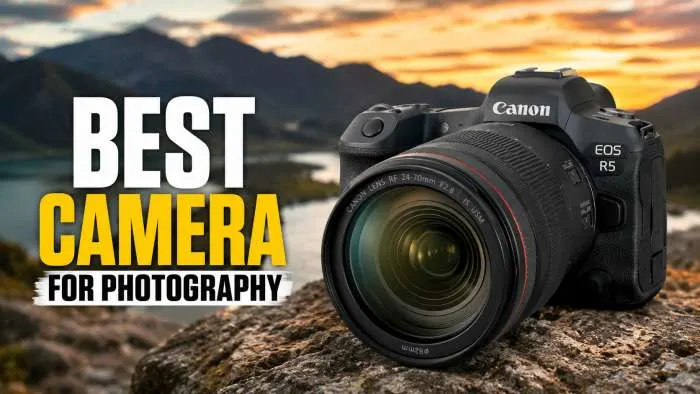
Your choice of the best camera for photography comes down to what you actually want to create, but right now mirrorless options crush everything else on the shelves. They show your exposure changes live inside the viewfinder, lock onto subjects instantly, and drop the heavy bulk of old DSLRs. I have spent ten hard years out in the dirt testing bodies for global magazines, so I know how bad gear breaks your workflow. If you want a killer machine that takes a beating and handles anything, go pick up the full-frame Sony a7IV or grab the stunning Fujifilm X-T5.
What to Look for in Modern Imaging Gear?
Throw away the fancy spec sheets. Look for a tool that sits right in your hands when your fingers are freezing at dawn. Mirrorless bodies own the market today because the digital display shows your exact final picture before you even tap the shutter button.
You need to pick a sensor size first. Large full-frame sensors give you clean, noise-free shots inside dark venues and melt away ugly backgrounds. On the flip side, smaller crop sensors keep your body and lenses tiny, saving your back during long travel days.
Check out the physical buttons too. You want a body with real control dials sitting right under your thumbs so you can adjust settings without digging through software menus. Fast autofocus tracking changes the whole game, keeping erratic subjects sharp while you focus purely on your composition.
You may also read :- Nikon Z50 vs Z50 II: Which Camera Is Better for Video?
Best Camera for Photography: Our Top Overall Selections
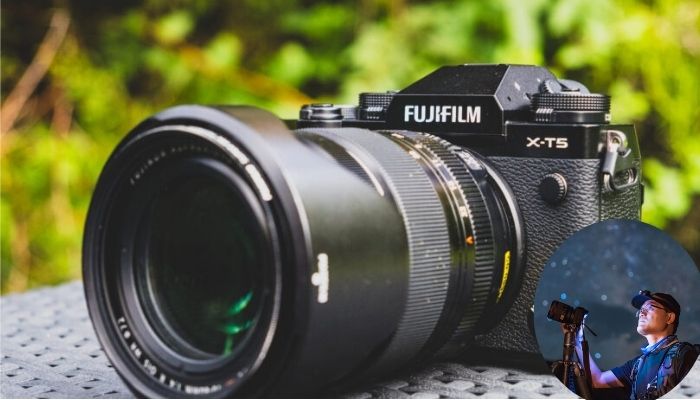
When you start shopping for the absolute best camera for photography, a couple of specific models separate themselves from the pack by balancing high resolution, heavy-duty controls, and great lens catalogs.
The All-Around Champion: Sony a7IV
This camera tackles weddings, portraits, and fast sports without flinching. The 33-megapixel full-frame sensor grabs tiny details from dark shadows. Its real strength is the sticky tracking system, which glues its focus point to human or animal eyes and refuses to drop them.
The Stills Purist Choice: Fujifilm X-T5
If you love the click of mechanical dials, this machine brings back the pure fun of taking pictures. It crams a massive 40-megapixel crop sensor into a gorgeous, old-school shell. The native color modes look incredible right out of the box, saving you hours of painful computer editing.
Best Camera for Photography Beginners
Learning this craft should feel exciting, not like a brutal exam. The best camera for photography beginners hands you instant control without burying standard settings inside complex digital layouts.
Canon EOS R50: Easy and Intuitive
This small body makes upgrading from a smartphone painless. The 24.2-megapixel sensor captures rich tones that leave phone screens looking flat. An active on-screen helper explains exactly how changing your settings alters the shot before you fire.
PROS: Feathery weight, brilliant tracking, clear menus
CONS: Few cheap native crop lenses available right now
Nikon Z50 II: Room to Grow
Nikon designed it to have a deep, chunky grip and is engineered to feel like a professional-grade tool. It also has clicky physical dials that allow you to change settings as need without having to break eye contact with your subject. This allows for chaotic movement with great results, which keeps your frustration level down.
Best Affordable Camera for Photography
A camera that fits within the price range of the average consumer.An affordable camera for the mediocre person. Gorgeous images, gallery quality can be created without having a big bank account. The best camera to use for taking photos is the one that's affordable, not the one that is full of useless features and accessories.
Canon EOS R100: Maximum Value
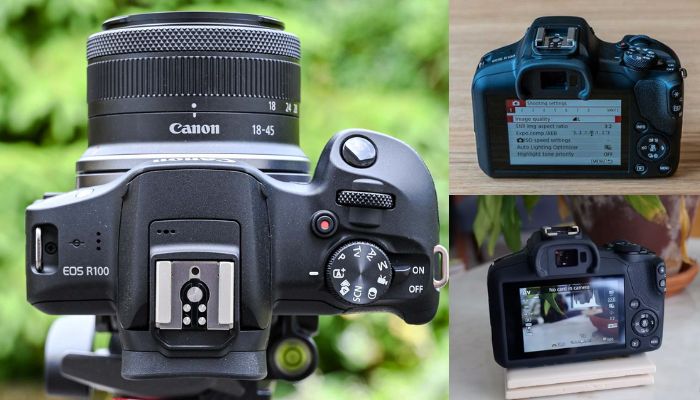
This model gives you the absolute cheapest entry point into a high-quality modern sensor. It turns out crisp files with Canon’s famous warm skin tones. You do not get a touchscreen here, but you gain full entry into a massive line of top-tier lenses.
It is compact and stable: the Olympus OM-D E-M10 Mark IV
This compact device is packed with a great feature: built-in body stabilization – which moves the sensor with the body when it's shaky. It allows you to take handheld photos in dark alleys at slow shutter speeds without a tripod. It is a great choice for street photographers looking to go inconspicuous.
Best Camera for Professional Photography and Videography
The Best Camera for Professional Photography and Videography is obviously clear. Business customers expect perfection. The most ideal camera for professional photography and videography should come with two slots for instant file backups, long-lasting batteries and massive processing speeds.
Canon EOS R5 II: The Pro Workhorse
This absolute beast carries a 45-megapixel sensor that reads data faster than a bullet. That speed stops the ugly rolling distortion caused by slow digital shutters. It creates giant print files effortlessly and jumps into clean 8K video recording with a single switch.
Nikon Z8: High-Speed Hybrid
Nikon took the brain out of their massive flagship Z9 and crammed it into a body you can carry all day. It removes the mechanical shutter completely, relying on pure sensor speed to freeze fast action. It records high-end raw video right to your memory card without ever shutting down from heat.
Best Camera for Photography Canon
Canon owns a massive piece of the industry because their sensors yield beautiful color profiles and the bodies offer fantastic ergonomics. When hunting for the best camera for photography Canon delivers great options across every single price bracket.
Canon EOS R6 Mark III: The Sweet Spot
This full-frame body remains a massive favorite for wedding shooters and low-light event pros. The 24-megapixel sensor works miracles when you have to push your ISO settings inside dark, moody reception halls.
Why the Canon RF System Wins
- Contoured Shapes: The bodies mold to your hands perfectly during grueling twelve-hour days.
- Intelligent Autofocus: The tracking system finds faces and locks on tight even through dense crowds.
- Stellar Glass: Their modern luxury lens line delivers jaw-dropping center-to-corner sharpness.
Essential Accessories to Budget For
Do not waste your whole budget on just the camera body. You need a few extra tools to get out into the field and make images happen.
- A Prime Lens: Put the cheap kit zoom away and buy a basic 50mm f/1.8 lens. The massive opening drinks in light and completely blurs your background.
- Fast Memory Cards: High-res sensors create giant mountains of data. Cheap cards will freeze your camera while it struggles to save files.
- Extra Batteries: Electronic viewfinders swallow battery power fast. Keep a backup cell in your pocket so you do not miss the final sunset.
Direct Expert Advice
"Stop reading lab charts and arguing over forum specifications. The absolute finest camera on this planet is the exact one sitting inside your backpack when a beautiful moment unfolds. Spend your hard-earned money on great glass and your time on learning how daylight moves." — From My Personal Shooting Journals
Spend your energy finding fresh angles and watching how light shapes your subject. The gear is just a box that catches light—your eye does the actual work.
Frequently Asked Questions
What's the best camera for photography for everyday use?
Check out the Sony a7IV or Fujifilm X-T5. Both tools provide you with a beautiful blend of fast tracking, high resolution and deep lens ecosystems.
Should a novice get a full frame camera?
Skip it for now. Crop-sensor combo's are much cheaper, are half the weight, and will come up with beautiful files as you work your way through the manual modes of the exposure.
Which company is better at making cameras Canon or Sony?
Both are incredible. Canon delivers beautiful colors in a box with unrivaled grips, and Sony opens the floodgates for hundreds of inexpensive third-party lenses.
Do megapixels matter for photo quality?
Much less than marketing teams have said. A simple 24-megapixel camera sensor allows for printing gigantic posters, and online sharing of clear images without consuming hard drive space on your computer.
Is mirrorless better than an old DSLR?
Yes. Mirrorless bodies allow you to see the final exposure of your image before you press the shutter and they can track your subject's eye movement with amazing precision.