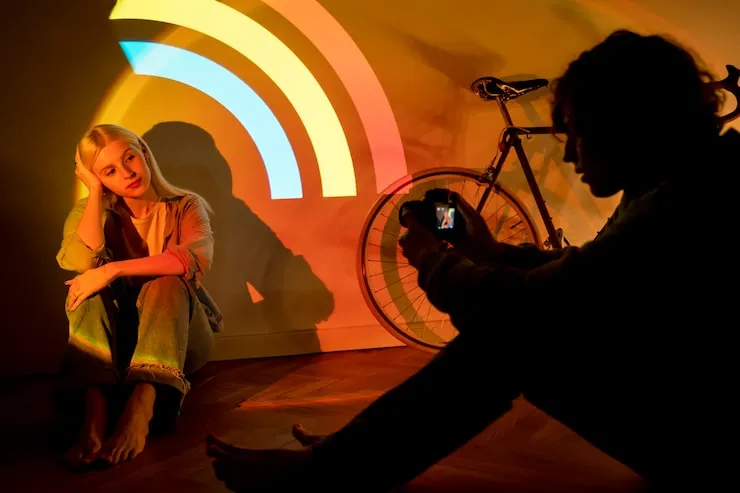
Photo story refers to a collection of pictures that are used to create a story, similar to the way of how the chapters of the book work. Such visual stories are able to document an entire event, demonstrate the passage of time or present a personal experience.
Examining 5 photo story examples you can know how to create your own powerful pictures stories. This guide will demonstrate you the actual examples of photo essays and will tell you what makes them so effective.
What is a Visual Story?
Photo story, also known as photo essay, is a presentation of a story by use of a series of photographs rather than texts. Every image resembles a sentence. They are united to make a whole story containing a beginning, middle, and an end.
This is a format that is applied by professional photographers in magazines documentaries and in art projects. The finest storytelling using pictorials puts you to emotions and cognizant of a scenario without a single word being written.
The Core Parts of a Great Photo Story
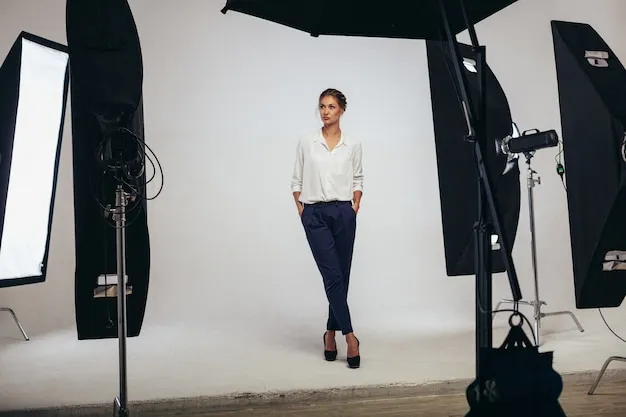
Any successful visual narrative consists of several important parts:
- A Sentient Subject: What or who is it about? It may be an individual, a location or an occasion.
- A Good Introductory Photo: This initial photo must capture the attention of people and make them desire to see more.
- A Logical Sequence: Photos are arranged in a logical manner and lead a viewer.
- Diversity of Shots: The diversity of shots, wide shots, close-ups, and detail shots makes the story interesting.
- An Effective Closing Image: It is the final picture that provides a feeling of closure. It may be cheerful, melancholy or reflective.
You may also read:- The Secret World of Award-Winning Photo Stories
Example 1: "A Day in the Life"
This is a typical example of a photo story that traces an individual over his day-to-day life. It displays their work, hobbies and their personal time. It is aimed at making the viewer get to know the world of the subject.
- Opening Shot (The Wake-Up): A serene and sweet picture of the subject waking up. Here natural light through a window is good. This is how the story begins and it presents the main character.
- Setting up Shot (The Environment): An expansive picture of their house, workspace or locality. This demonstrates the setting of the story.
- Action Shot (The Main Activity): This type of shot captures the subject performing his/her most crucial task of the day. To a baker it is the kneading of dough. For a student, it's studying. The photograph is supposed to be focused and in motion.
- Detail Shot (The Close-Up): This is a close-up shot of their hands at work, an unusual tool they are using or even their facial expression. This gives the story some richness.
- Closing Shot (The End of the Day): This is a serene picture indicating the end of the day. This may be the subject switching off a light, or staring out a window or reading a book. It offers a fulfilling conclusion.
Scenario 2: The Behind-the-Scenes Tour
This photo tale brings the audience to a place they would not usually visit. It exposes the backstage to an event, a performance, or even a place. It satisfies curiosity.
- Opening Shot (The Final Product): Begin by a picture of the finished product a gorgeous plate of food, a stage in a play, a crowded open market. This leaves a question: How then did this happen?
- Set up Shot (The Preparation): demonstrates the chaotic first phase. Splendid vacant seats in front of concert, raw materials before cooking, vacant stadium before match.
- Action Shot (The Hard Work): Take pictures of people as they are engaged in their creative or physical activity. One of the chefs sampling sauce, a sportsman tying his sports shoe, a technician testing lights.
- Emotion Shot (The Feeling): Take a spontaneous stress, laughter or team spirit moment. This creates a bond between the characters of the tale.
- Closing Shot (A New Angle): Finish with a peculiar perspective behind the scenes. Look out of the stage at the empty seats, or of the kitchen at the dining room. This provides a particular insiders view.
Example 3: The Transformation Journey
Change is evidenced in this example of sequential photography. It may be someone acquiring a skill, a location and a thing being constructed. The story is in the progress.
- Opening Shot (The Starting Point): It is a picture of a basic shot of the subject prior to the change. An empty canvas, an old battered bicycle, a pot of a seedling.
- The First Change (Step 1): Display the initial significant step. The initial touch on the canvas, erasing the old wheel of the bike, planting the seedling.
- Step 2 (The Process): Deal with the primary and frequent work. Blasting paints, washing chain links, watering plant.
- Step 3 (The Challenge): Tell a story of a problem or a decision. An irrelevant color, an absent element, a withered leaf. This adds drama.
- Closing Shot (The Reveal): The resolution, the happy ending. The finished picture, the oily refinished bike, the flower. Compare it with the first photograph in your brain to demonstrate the unbelievable change.
Example 4: "A Visit to a Local Area.
This narrative or story with pictures dwells on one place. It describes the atmosphere, individuals and the specifics of a location such as a park, street or a cafe.
- Opening Shot (The Wide View): The first shot must be a wide shot covering the entire atmosphere of the location. An sunny park, a rainy street, an interior of a cosy cafe.
- Shot 2 (The People): Who is it? Show people who have to interact with it, their conversations with friends, a person walking a dog, a barista preparing coffee.
- Shot 3 (The Details): Get close. Concrete photography: texturize and photograph objects which are small. The arrangement of bricks, smoke of a cup of coffee, fallen leaves on a sidewalk.
- Shot 4 (A Unique Moment): Wait until there is a special, accidental moment. A small boy running after a pigeon, two individuals meeting each other, the sun peeking out of clouds.
Close-up Shot (The Vibe at a Different Time): Go back in the future and capture a shot in a new light. And the street at sunset, and the cafe at midnight and the park at nightfall. This demonstrates that there is more than just a single story of the place.
An example 5: My Project in Progress
It is an individual photo essay concerning your own interest. It might be creating a model or developing a garden or learning how to play a skateboard. You are a photographer and a subject.
- Opening Shot (The Plan): A picture of your sketches, supplies laid on, or the place where you will be working. This is the "before" shot.
- Photo: Progress Shot 1: Capture a photograph at the end of the first work session. Don't worry if it's messy! Show the progress.
- Progress Shot 2: Take another shot in the centre. Perhaps you are in a bad mood or have a breakthrough. Write the actual experience.
- The Problem and Solution Shot: Hit a problem? Photograph it! Then take a picture of the way you fixed it. This renders the story authentic and familiar.
- Closing Shot (The Proud Finish): A shot of you with your completed project. Your smile will say it all. It is the journey, not the outcome of the journey.
How to Plan Your Own Photo Story: A Simple Guide?
Select Your Topic: Select something with which you are interested or enthusiastic. It makes the process fun.
- Plan Your Shots (Storyboard): Have a list of shots to get or draw simple pictures on a list of the 5 shots you want. This is your roadmap.
- Look for the Story: When you are shooting, you should be prepared to adjust your plan to capture a better and more sincere shot.
- Edit Your Photos: You should only select the top 5 that speaks the story. Make them black and white, make the story wrong.
- Order the Sequence: Place your photographs in the sequence which makes the most sense. The order replaces the meaning!
Start Telling Your Story Today
These 5 photo story examples are not an end. There are stories all around in the world that you have to tell. Look around you. Does your kitchen or backyard or street have any story? Take your camera, have a point to start and a point to end and then start taking snapshots. It is your personal approach to the storytelling with images that will make your stories special. Happy storytelling
Frequently Asked Questions
How is a photo story and a photo essay different?
They are very similar. The terms are used interchangeably by people. A photo essay may at times be more of an idea and a photo story more of a sequence of events. However, to begin with, you can consider them to be the same thing.
Should I have a costly camera in order to produce a photo story?
No. There are numerous stories of strong photos taken with smartphones. Your idea, your observation skills and your heart are the most important things. Use the camera you have.
What can I do to select the best 5 photos of a large number of photos?
Find clear photos, with emotion, and dissimilar (wide, close, detail). Question: "Suppose I could but present one photograph to describe this moment, what would it be? Do that five times.
Is it possible to use more than 5 pictures in a photo story?
Yes! These examples of 5 photo stories are just a beginning. There are numerous professional narratives with the utilization of 10, 15 or 20 pictures. However, beginning with only 5 will make you concentrate on the most significant aspects of the story.
Which is the greatest error of beginners?
Attempting to perfect each picture individually. It is the combination of pictures that makes a visual narrative so powerful. A single picture can be that of a few hands, that is fine as long as the following picture depicts the face of the individual.